Scientists discover way to generate electricity from cacti
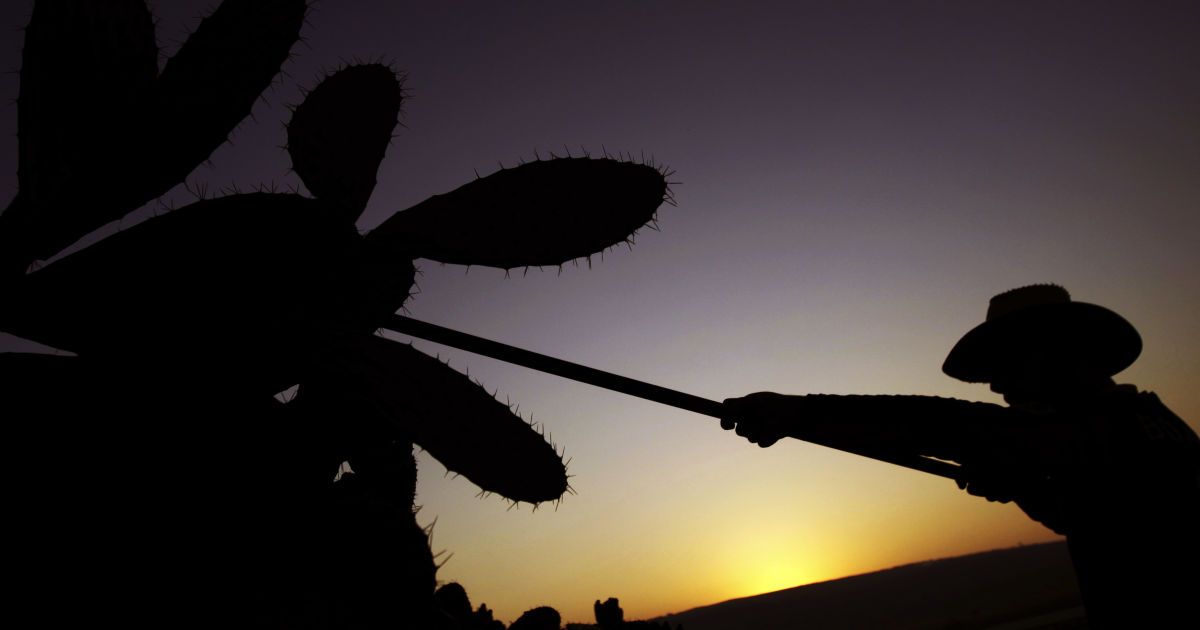
Researchers from the University of California have developed a method to harvest electricity from prickly pear cacti using their unique photosynthetic processes.
 💡Tech
Photo: TSN
Key points
- Prickly pear generates electricity via pH gradient
- Method based on CAM photosynthesis
- Technology can power agricultural sensors
A natural source of energy
A team of scientists from the University of California, Santa Cruz, has unveiled a technology that allows for the generation of electricity directly from living plants. The study focused on the prickly pear cactus, which utilizes a specialized photosynthetic mechanism known as Crassulacean Acid Metabolism (CAM).
This process allows the plant to store carbon dioxide at night and utilize it for growth during the day. Researchers led by Professor Michael Loik and graduate Charlie Chesney discovered that the difference in acidity between the plant's illuminated and shaded sides creates a pH gradient that generates electrical voltage. By using integrated electrodes, the scientists were able to harvest enough energy to power low-voltage devices.
Potential applications in agriculture
Experiments demonstrated that eight cactus pads could produce 4.5 volts, equivalent to the power of three standard AA batteries. The project team suggests that this technology could be integrated into the agricultural sector. Plants could serve as natural power sources for sensors that monitor soil conditions and crop health.
Furthermore, measuring the voltage provides insights into the plant's physiological state. Changes in the electrical potential indicate how the cactus responds to its environment, offering new possibilities for ecosystem monitoring.
Source TSN — tsn.ua/nauka_it/roslyna-iaka-vyrobliaye-elektryku-vcheni-zrobyly-nespod… ↗
Read next
 🏛️Politics
Seven EU Countries Urge Immediate Visa Ban for Russian and Belarusian Athletes
Leaders of seven Nordic and Eastern EU nations have called on top EU officials to immediately stop issuing visas to Russian and Belarusian athletes, preventing Russia fro…
 🎓Education
NASA study: how space radiation affects astronauts' brains
NASA researchers have discovered that prolonged exposure to space radiation alters brain immune cells, though it does not cause immediate behavioral impairments.
 👥Society
Fishing in 2026: Current Limits and Regulations
Ukraine enforces strict recreational fishing regulations, limiting daily catches to three kilograms per person. Violations can result in significant fines and confiscatio…
 👥Society
Court denies appeal for Valentyna Molodaya: details of the incident in Petropavlivska Borshchahivka
The Kyiv Court of Appeal has rejected the defense's appeal, keeping the suspect in custody for allegedly obstructing the activities of the Armed Forces of Ukraine.
 🏛️Politics
Appeals court upholds detention of woman posing as paramedic during military facility blockade
The Kyiv Court of Appeal has rejected an appeal from a woman suspected of obstructing the National Guard, keeping her in custody without bail.
 👥Society
DIU medics rescue civilians after enemy drone attack in Zaporizhzhia
The 'Artan' special unit promptly evacuated passengers from a public bus targeted by a Russian FPV drone.