Ukraine's Energy Resilience: Why New Generation Capacity Falls Short of Winter Challenges
International analysts report that Ukraine's transition to a decentralized energy system is lagging behind wartime demands despite rapid growth in renewable power.
 👥Society
Photo: focus.ua
Key points
- Growth in renewable energy capacity
- Lack of backup power in hospitals
- Challenges in distributed generation
- IEA recommendations for winter resilience
Faced with ongoing destruction of traditional infrastructure, Ukraine has been rapidly expanding decentralized energy solutions, including small gas-fired plants and renewable sources, to replace vulnerable coal-fired power plants. According to recent reviews, renewable generation capacity grew by approximately 16%, and the country became one of Europe's top markets for deploying energy storage systems. However, experts emphasize that the overall transition to a resilient grid is still too slow to meet critical winter needs.
Vulnerabilities in Healthcare Infrastructure
A major concern remains the state of critical social facilities. Less than half of healthcare institutions are equipped with solar panels and batteries, and none of them can operate autonomously for long periods during power outages. For hospitals requiring continuous electricity and substantial heating, this lack of independence poses severe risks as cold weather sets in.
Former Ukrenergo CEO Volodymyr Kudrytskyi noted that the distributed generation program has faced significant hurdles, arguing that the country needs a balanced network of numerous small facilities rather than endless repairs of outdated stations. Experts estimate the cost of building a new resilient energy architecture at about $6.3 billion, whereas international partners have allocated €2.4 billion since 2022, which falls short of the immense destruction scale.
Key Factors for Winter Survival
The International Energy Agency projects that energy imports, local cogeneration, and robust air defense will be vital to maintaining light, heat, and water supplies through the winter. As freezing temperatures approach, potential energy crises could also impact municipal operations, prompting large cities to prepare backup plans for public transport and emergency services.
Source focus.ua — focus.ua/uk/economics/775836-energetika-ukrajini-chomu-rekordnoji-novoj… ↗
Read next
 🏛️Politics
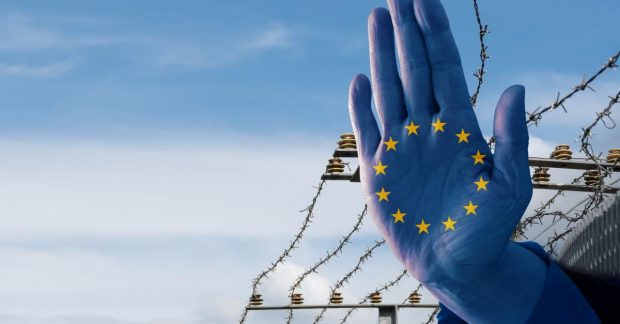
Seven EU Countries Urge Immediate Visa Ban for Russian and Belarusian Athletes
Leaders of seven Nordic and Eastern EU nations have called on top EU officials to immediately stop issuing visas to Russian and Belarusian athletes, preventing Russia fro…
 🎓Education
NASA study: how space radiation affects astronauts' brains
NASA researchers have discovered that prolonged exposure to space radiation alters brain immune cells, though it does not cause immediate behavioral impairments.
 🏛️Politics
Appeals court upholds detention of woman posing as paramedic during military facility blockade
The Kyiv Court of Appeal has rejected an appeal from a woman suspected of obstructing the National Guard, keeping her in custody without bail.
 🛡️Security
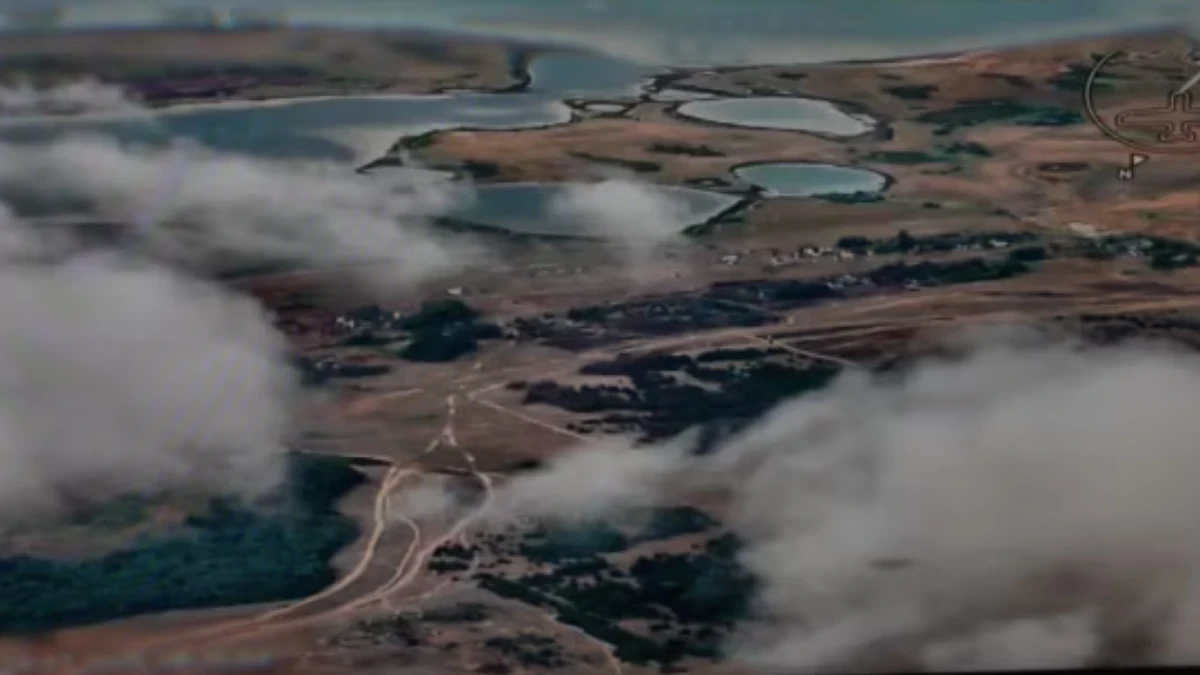
Humanitarian crisis on the Kinburn Peninsula: residents trapped without food and medicine
Around 100 civilians on the Kinburn Peninsula are facing a humanitarian disaster, trapped by mining and occupation forces without access to essential supplies.
 💡Tech
Study: Newest Artificial Intelligence Models Start Using Profanity in Internal Reasoning
An analysis by Vast reveals that language models trained after July 2026 increasingly use profanity in hidden reasoning chains when hitting a dead end.
 🛡️Security
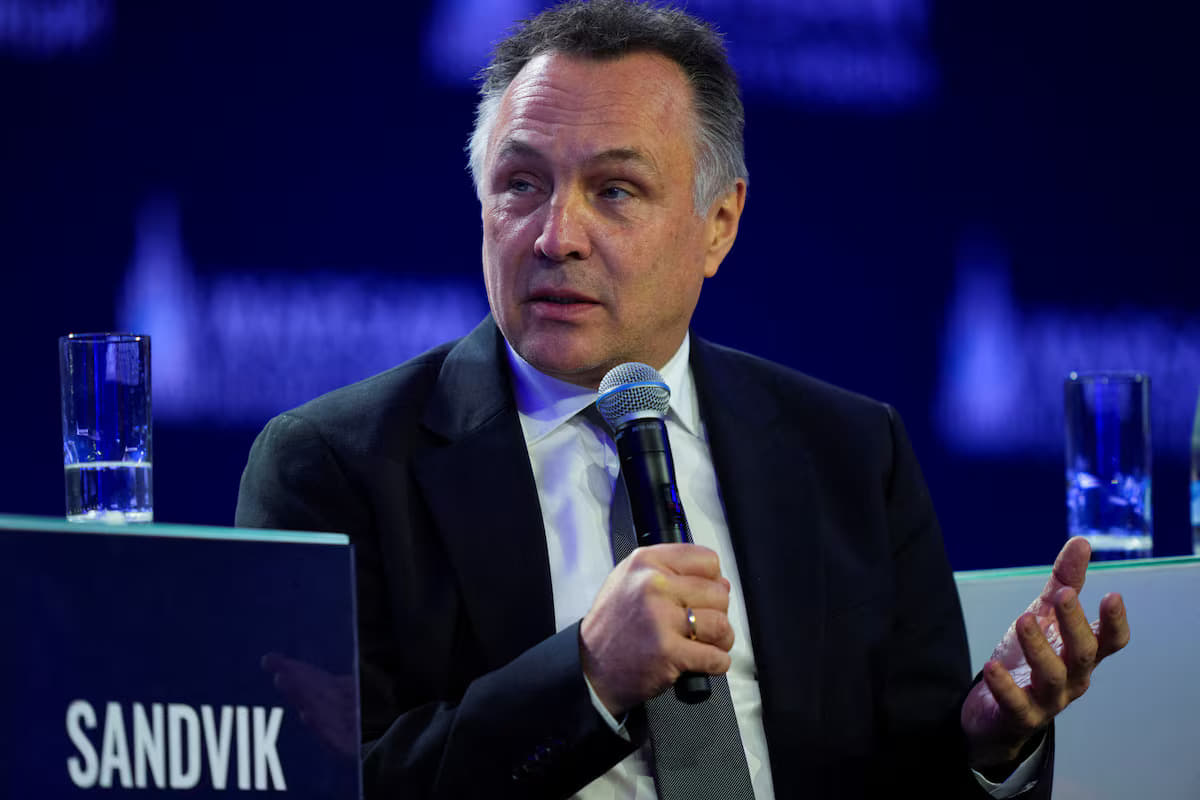
Norway Discusses Regional Stability with Ukraine Following Baltic Sea Incidents
The Norwegian Defense Minister announced a constructive dialogue with Kyiv regarding security and stability amidst recent attacks on Russian vessels in the Baltic Sea.