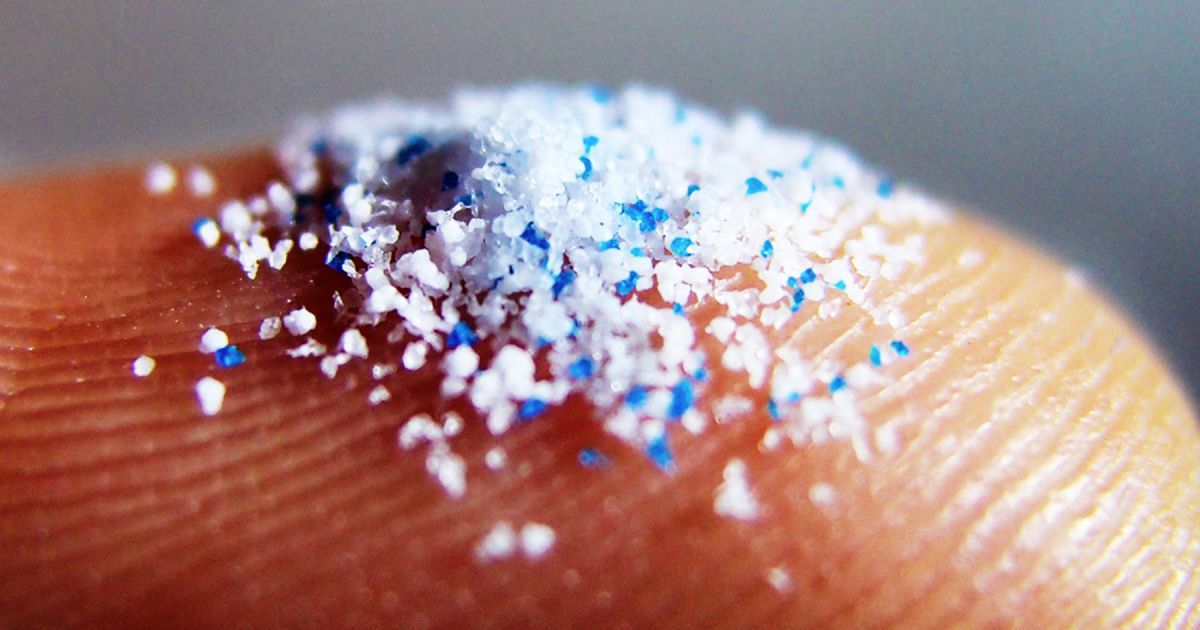
Microplastics are chemically active: new research findings
Scientists have discovered that microplastics in water can trigger dangerous chemical reactions that may damage living cells.
 🩺Health
Photo: TSN
Key points
- Microplastics trigger the formation of reactive oxygen species in water.
- The study confirmed blood cell damage in laboratory settings.
- Polyethylene and polypropylene were found to be the most chemically active materials.
Researchers from Columbia University and the University of California, Berkeley, have found that microplastics are not merely passive pollutants. Upon contact with water, reactive oxygen species form on the surface of plastic particles, capable of damaging proteins and DNA.
Mechanism of cellular impact
During experiments, scientists tested six common types of plastic, including polyethylene and polypropylene. It was discovered that due to the hydrophobic properties of the material, conditions for electron transfer are created on its surface. This leads to the formation of hydroxyl radicals, which caused deformation and destruction when in contact with mouse red blood cells.
The fragmentation of plastic poses a particular danger, as the reduction in particle size increases their total surface area, thereby intensifying chemical processes. Common household sources of such particles include not only litter but also the laundering of synthetic clothing and the heating of plastic containers.
Source TSN — tsn.ua/zdorovya/mikroplastyk-vyiavyvsia-nebezpechnishym-niz-vvazaly-shc… ↗
Read next
 🏛️Politics
Seven EU Countries Urge Immediate Visa Ban for Russian and Belarusian Athletes
Leaders of seven Nordic and Eastern EU nations have called on top EU officials to immediately stop issuing visas to Russian and Belarusian athletes, preventing Russia fro…
 🎓Education
NASA study: how space radiation affects astronauts' brains
NASA researchers have discovered that prolonged exposure to space radiation alters brain immune cells, though it does not cause immediate behavioral impairments.
 👥Society
Fishing in 2026: Current Limits and Regulations
Ukraine enforces strict recreational fishing regulations, limiting daily catches to three kilograms per person. Violations can result in significant fines and confiscatio…
 👥Society
Court denies appeal for Valentyna Molodaya: details of the incident in Petropavlivska Borshchahivka
The Kyiv Court of Appeal has rejected the defense's appeal, keeping the suspect in custody for allegedly obstructing the activities of the Armed Forces of Ukraine.
 🏛️Politics
Appeals court upholds detention of woman posing as paramedic during military facility blockade
The Kyiv Court of Appeal has rejected an appeal from a woman suspected of obstructing the National Guard, keeping her in custody without bail.
 👥Society
DIU medics rescue civilians after enemy drone attack in Zaporizhzhia
The 'Artan' special unit promptly evacuated passengers from a public bus targeted by a Russian FPV drone.